
New Paragraph

Can a Child with Autism Attend a Regular School? Inclusion, Support, and What to Expect

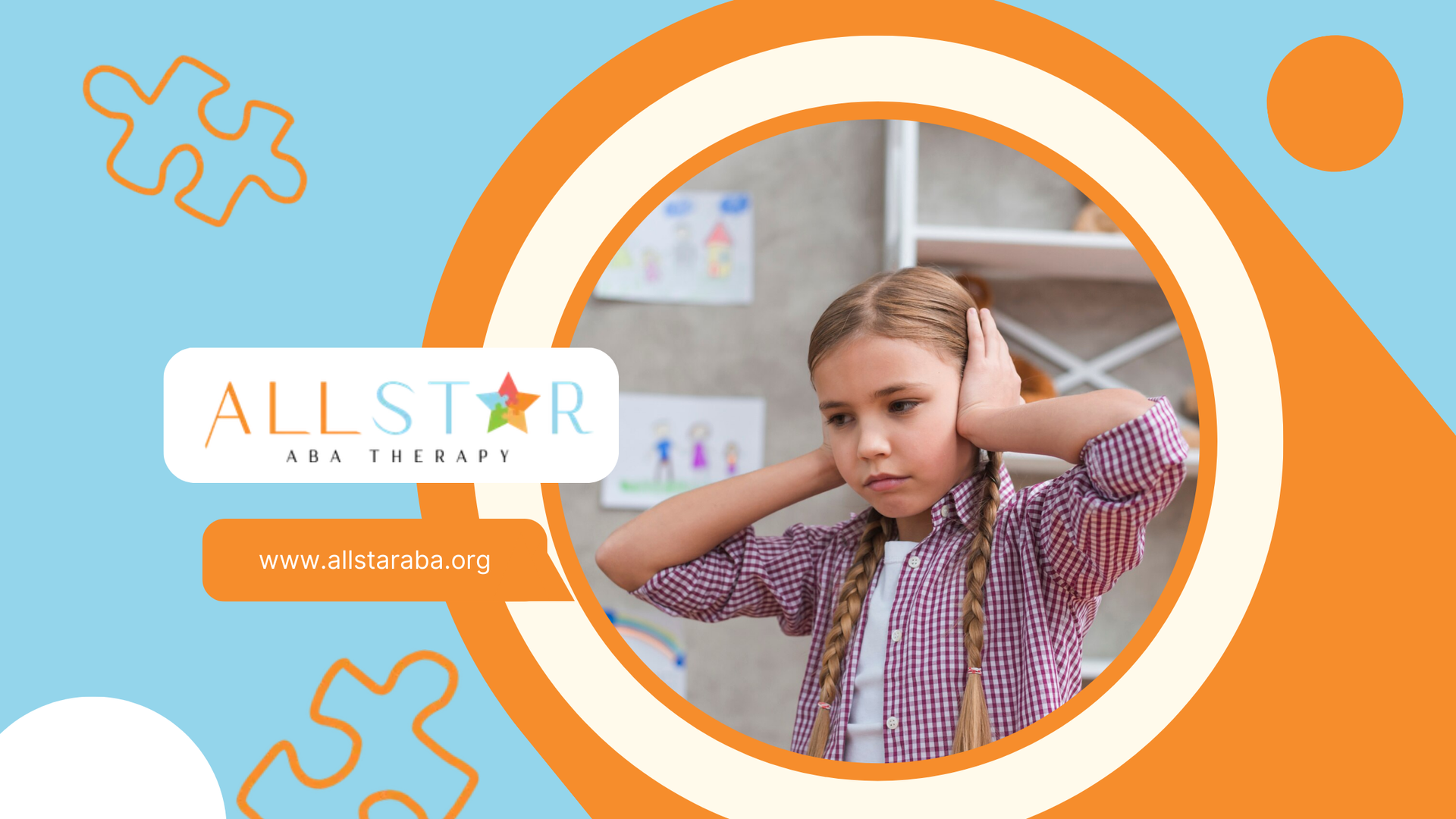
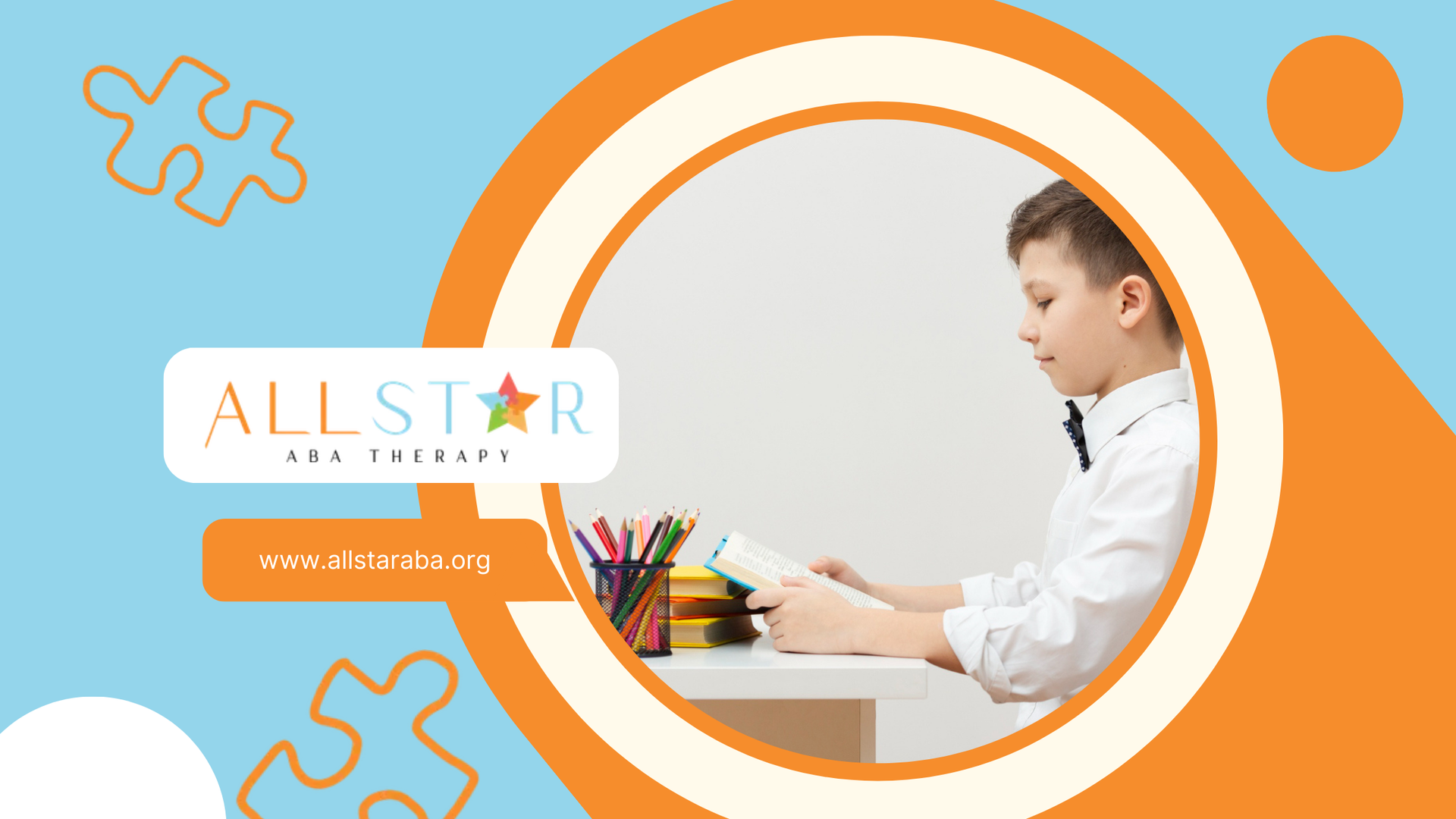
Yes, a child with autism can attend a regular (mainstream) schooland many do successfully. With the right support, inclusive classrooms can offer valuable opportunities for social interaction, academic growth, and peer learning.


The success of a child with autism in a regular school depends on their individual needs and the support available. Some children may need accommodations, such as a modified curriculum, a one-on-one aide, speech therapy, or behavioral support. Others may thrive with minimal adjustments.


Many schools offer Individualized Education Programs (IEPs) or 504 Plans, which outline the specific services and supports a child needs to succeed in the classroom. Collaboration between teachers, therapists, and parents is essential to make mainstream education a positive experience.


At All Star ABA, we work closely with families and schools to ensure children receive consistent, effective strategies both at home and in class. Our goal is to help every child feel confident, capable, and included in their learning environment.


Mainstream school is a possibility for many autistic children — and with the right tools, they can thrive.


Frequently Asked Questions

  • What support might my child need?

    They may need an IEP, speech therapy, aides, or behavior support.


  • What is an IEP?

    An Individualized Education Program outlining a child’s learning goals and support services.


  • Will my child be included in regular classes?

    Yes, if appropriate. Inclusion depends on their individual needs.


Need Support?

We're Here to Help!

Our experienced team is ready to assist you. Reach out today to discuss how we can support your child's development and well-being.

Get started with expert ABA therapy today.

BCBA helping a young child stack wooden blocks indoors during ABA therapy.
February 4, 2026
Echolalia in autistic children can be meaningful. Discover why repetition happens and how it can lead to functional communication with the right support.
BCBA and toddler stacking bright toy blocks on the floor in ABA therapy.
February 4, 2026
Tracking ABA therapy progress doesn’t have to be confusing. Learn how goals, data, and everyday changes help measure growth & guide your child’s treatment plan.
Four children with autism standing close together, smiling and talking.
February 4, 2026
Learn how ABA therapy encourages children to initiate social interactions and build meaningful relationships using individualized, research-based approaches.
Male BCBA and autistic child stretching during ABA therapy.
January 29, 2026
Explore how physical activity in autism therapy improves regulation, social skills, focus, and motor development, supporting whole-child growth through movement.
Girl with autism holding heart pillow during ABA therapy.
January 29, 2026
From stimming to routines and special interests, learn why repetitive behaviors are part of autism and how ABA therapy helps children thrive at home and school.
Boy with autism playing with toy plane during ABA therapy.
January 28, 2026
Learn why autistic kids often behave differently at home, how masking and sensory overload affect emotions, and how families can support regulation and comfort.
Show More

Related posts