Masking and Emotional Exhaustion
A key piece of this puzzle is masking. Masking refers to the effort an autistic person makes to hide or suppress natural behaviors in order to fit in with social expectations. This can include forcing eye contact, sitting still when their body wants to move, or holding back stimming.
Masking is exhausting. By the time a child gets home, their emotional and sensory resources may be completely depleted.
What parents often see is “restraint collapse,” a release of everything that was held together all day. This can look like crying, irritability, shutdowns, or intense
stimming, and it usually happens in the place where the child feels safest.
Common Differences Parents Notice at Home
While every child is unique, there are patterns that many families recognize when comparing behavior across settings.
Increased Stimming and Self-Soothing
Stimming, or
self-stimulatory behavior, often becomes more frequent at home. Movements like rocking, hand flapping, pacing, or vocal repetition can help a child regulate after sensory overload or emotional stress. At school, these same behaviors may be suppressed to avoid standing out.
Seeing more stimming at home is usually a sign that your child finally feels free to meet their sensory needs without judgment. The focus in ABA therapy is not on eliminating safe stimming, but on understanding its purpose and, when needed, teaching additional coping strategies.
Meltdowns After “Good” Days
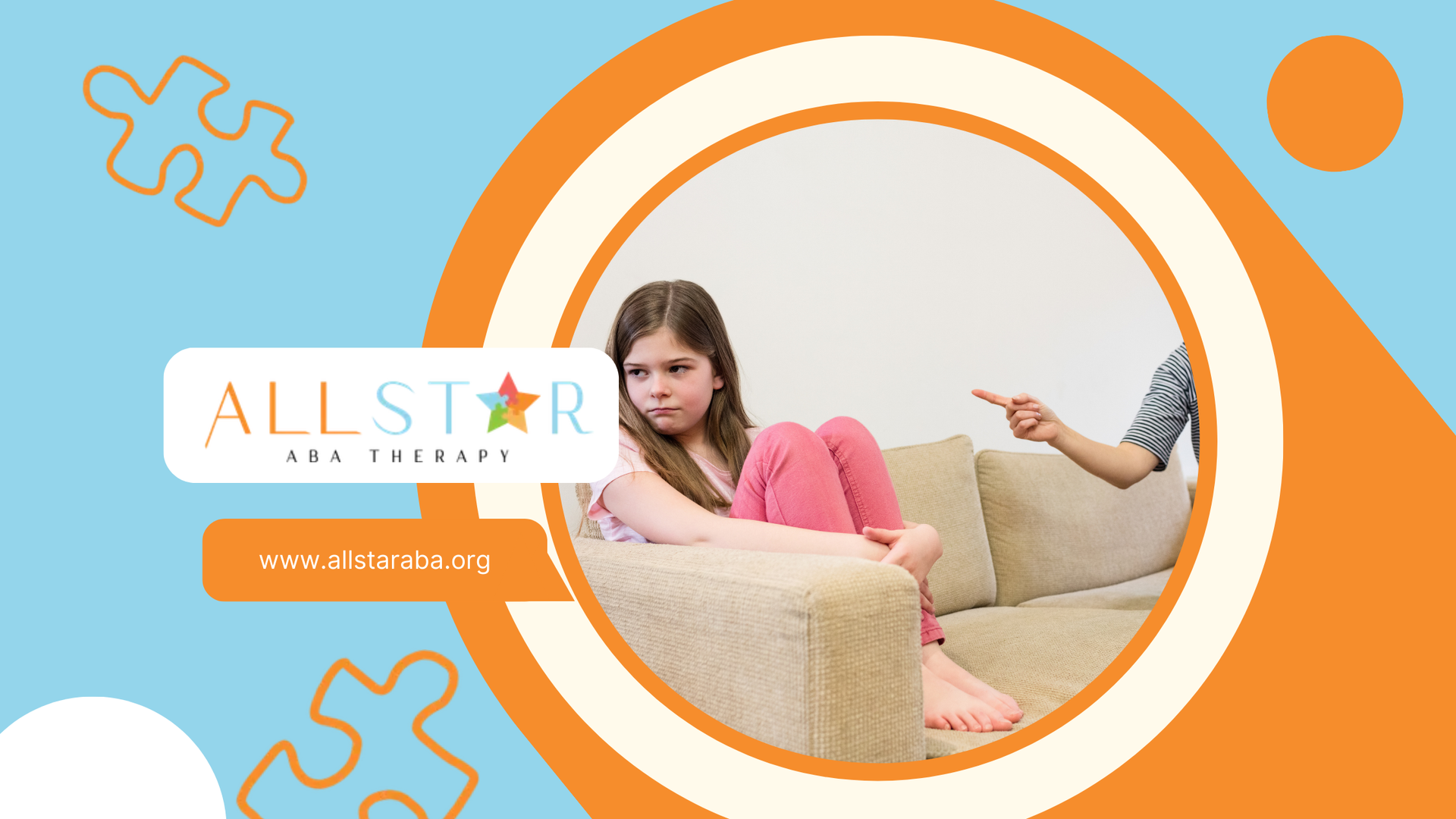
Many parents are puzzled when a teacher reports that everything went well, yet the afternoon or evening is filled with meltdowns. These episodes are not tantrums or attention-seeking. They are an involuntary response to overwhelm.
A
meltdown often reflects accumulated stress from managing sensory input, social expectations, and transitions throughout the day. When that stress finally releases in a safe environment, it can look sudden and intense, even if the trigger seems small.
Strong Need for Routine and Predictability
At home, children may show a stronger insistence on routines, rituals, or specific ways of doing things. This need for sameness provides a sense of control and predictability after a day full of uncertainty.
Changes to plans, even minor ones, can feel much harder to handle when a child is already emotionally worn out.
The Role of Sensory Factors in the Home
Although home is a safe place, it is not always free from sensory challenges. Sounds from appliances, bright lighting, crowded spaces, or even certain textures can still be overwhelming. The difference is that at home, children are more likely to express their discomfort openly.
Creating small adjustments can make a big impact. Dimming lights, offering noise-reducing headphones, setting up a quiet space, or being mindful of strong smells can help reduce sensory overload and support regulation.
Why These Differences Are Important to Notice
Parents often worry that behavior at home means something is “getting worse.” In reality, these differences usually mean your child trusts you enough to show their true emotional state. The contrast between home and school can also provide valuable information for professionals.
When families share these observations during an ABA assessment, it helps identify triggers, coping strategies, and skill gaps. This insight allows therapy to be tailored to what the child actually experiences, not just what is visible in structured settings.
How ABA Therapy Supports Children and Families
Applied behavior analysis focuses on understanding the function of behavior and teaching skills that help children communicate, regulate emotions, and adapt to change. For children who mask all day and then unravel at home, therapy may target:
- Emotional regulation and calming strategies
- Communication skills to express needs before reaching overload
- Flexibility with routines and transitions
- Parent coaching to support consistency across environments
Progress is not about forcing a child to “hold it together” everywhere. It is about giving them tools so they no longer have to rely solely on emotional collapse to feel relief.
Conclusion
Differences in behavior between home and school are common for autistic children and are often rooted in safety, sensory demands, and the exhaustion that comes from masking.
When we understand that home is the place where children finally feel free to unmask and release built-up stress, their behaviors begin to make more sense. With the right support, families can create an environment that honors these needs while also building skills for emotional regulation and flexibility.
At
All Star ABA, we partner with families to understand the full picture of a child’s behavior across settings. We provide compassionate, evidence-based ABA services throughout
Maryland and
Virginia, supporting children at home, in school, and in the community.
Our services include:
If you’re noticing big differences in your child’s behavior across environments and want support that meets your family where you are, we’re here to help.
Contact All Star ABA today to schedule a consultation and learn how our team can support your child’s growth and well-being.
Frequently Asked Questions