
New Paragraph

Facial Expressions and Autism Key Signs Explained

Jessica Morgan

(MS, BCBA)

Jessica started as an RBT straight out of college and worked her way up to...

Autism Spectrum Disorder (ASD) is a developmental condition that affects how a person communicates, behaves, and interacts. While there isn’t a distinct "facial sign" for autism, certain facial expressions and non-verbal behaviors may indicate social or emotional challenges. 


These signs can vary greatly from person to person, but they often give clues about how an individual might be processing or responding to social interactions.


Facial Expressions and Autism

According to a study from The Journal of Autism and Developmental Disorders, children with autism often have difficulty expressing emotions through facial cues. This can result in a neutral or flat expression, even in situations that might typically evoke a response. 


These facial expressions might not match the expected emotional reaction in social situations, which can sometimes make it harder for others to connect with the child or adult.


Furthermore, some individuals with autism may also have difficulty maintaining eye contact, a key component of social interaction that is often reflected in facial expression.


The lack of eye contact is commonly noted by parents and caregivers as a sign of social challenges, although it’s important to remember that this behavior is not a definitive sign of autism on its own.


What Parents Should Know

Though facial expressions can provide some clues, they are not diagnostic of autism.


Autism is a complex condition that is better understood through behavioral patterns, communication challenges, and developmental history. Early intervention and therapy, like ABA, are essential in helping children develop social and emotional skills.

All Star ABA provides a variety of therapy options tailored to each child's unique needs:


Contact All Star ABA today to learn more about how we can support your child’s development!


FAQs


  • 1. Can facial expressions be a sign of autism?

    While certain facial expressions may signal difficulties with social cues, they are not definitive indicators of autism. Each individual with autism is unique in how they express themselves.


  • 2. How does autism affect social interactions?

    Autism can make social interactions challenging, leading to difficulties with facial expressions, eye contact, and understanding social cues. Early intervention can help improve these skills.


  • 3. Is early therapy helpful for children with autism?

    Yes, early intervention, such as ABA therapy, can significantly help children with autism develop essential communication and social skills.


Need Support?

We're Here to Help!

Our experienced team is ready to assist you. Reach out today to discuss how we can support your child's development and well-being.

Get started with expert ABA therapy today.

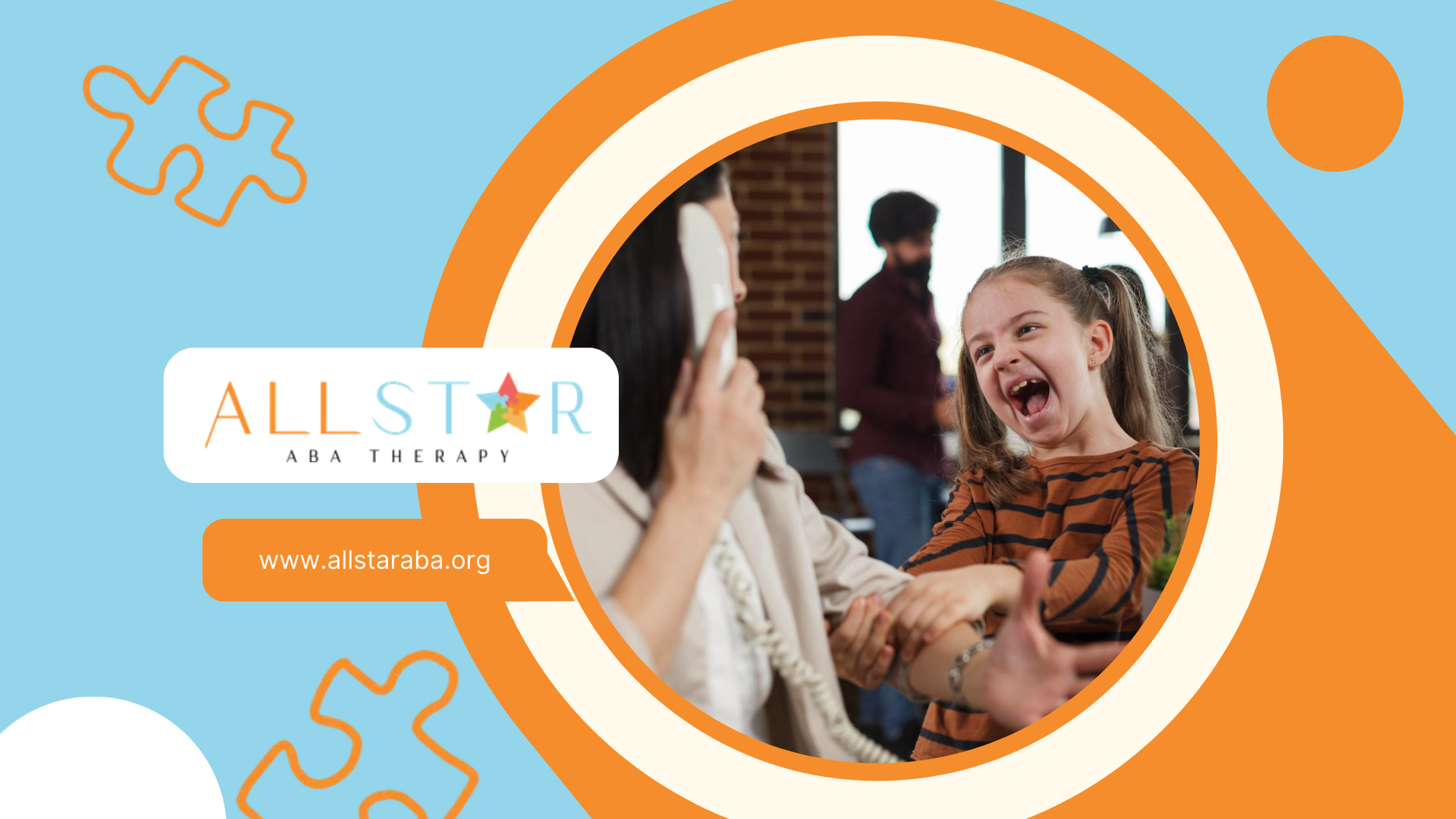
A woman is talking on a cell phone to a little girl who is laughing.
By Angela Torres (MS, BCBA) • November 17, 2026
Learn how to address biting in autistic children with proven tips and strategies. Understand the reasons behind the behavior and how to respond effectively.
An RBT and an autistic child are in an ABA therapy session.
November 16, 2026
Learn about the costs of ABA therapy in Maryland, insurance coverage, and financial assistance options. Discover how to plan for your child's treatment.

A woman is kneeling down next to a little girl playing with toys.
November 6, 2026
Explore the top ABA agencies in Maryland. Find quality autism therapy providers, insurance info, and All Star ABA locations near you.

A family is sitting on a couch in a living room.
By Angela Torres (MS, BCBA) • November 5, 2026
Sensory overload and communication struggles can look like spoiling. Learn the behavior patterns that tell them apart, and what to do next.
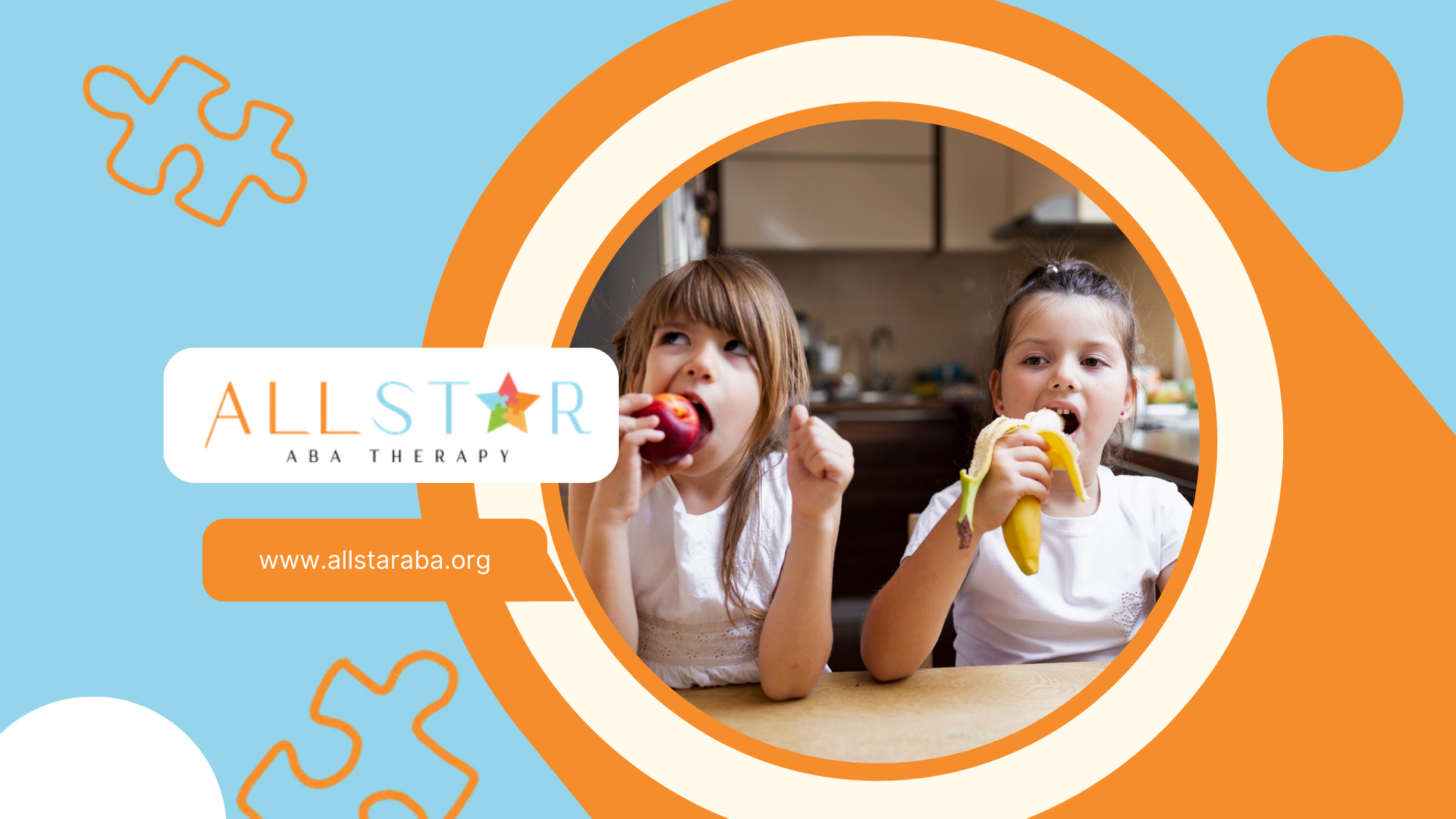
Two children are sitting at a table eating bananas and apples.
By Angela Torres (MS, BCBA) • November 3, 2026
Discover which fruit is best for autism and how the right choices can support behavior, focus, and nutrition for children with autism spectrum disorder.

An image of Walmart store where autistic individuals can do sensory-friendly shopping.
By David Okafor (BCBA, LBA) • October 13, 2026
Walmart's sensory-friendly hours run daily, 8 to 10 a.m. See what changes in store, what Walmart doesn't say, and tips for shopping with an autistic child.
Show More

Related posts