What matters most is
how a child communicates, not just when they start talking.
Shyness or social anxiety
Some children are naturally shy or slow to warm up.
Avoiding eye contact, staying close to caregivers, or hesitating to join groups can reflect temperament or anxiety—not autism.
Social anxiety and autism may look similar on the surface, but they are very different underneath.
Lining up toys or liking routines
Lining up toys, organizing objects, or enjoying routines is common in early childhood. Many toddlers go through phases of repetitive play as they explore control and predictability.
It becomes a concern only when rigidity interferes with learning, flexibility, or social interaction over time.
Sensory sensitivities by themselves
Disliking loud noises, certain clothing textures, or picky eating is extremely common—even in children without autism. Sensory processing differences alone do not equal an autism diagnosis.
Sensory challenges can also appear with ADHD, anxiety, or no diagnosis at all.
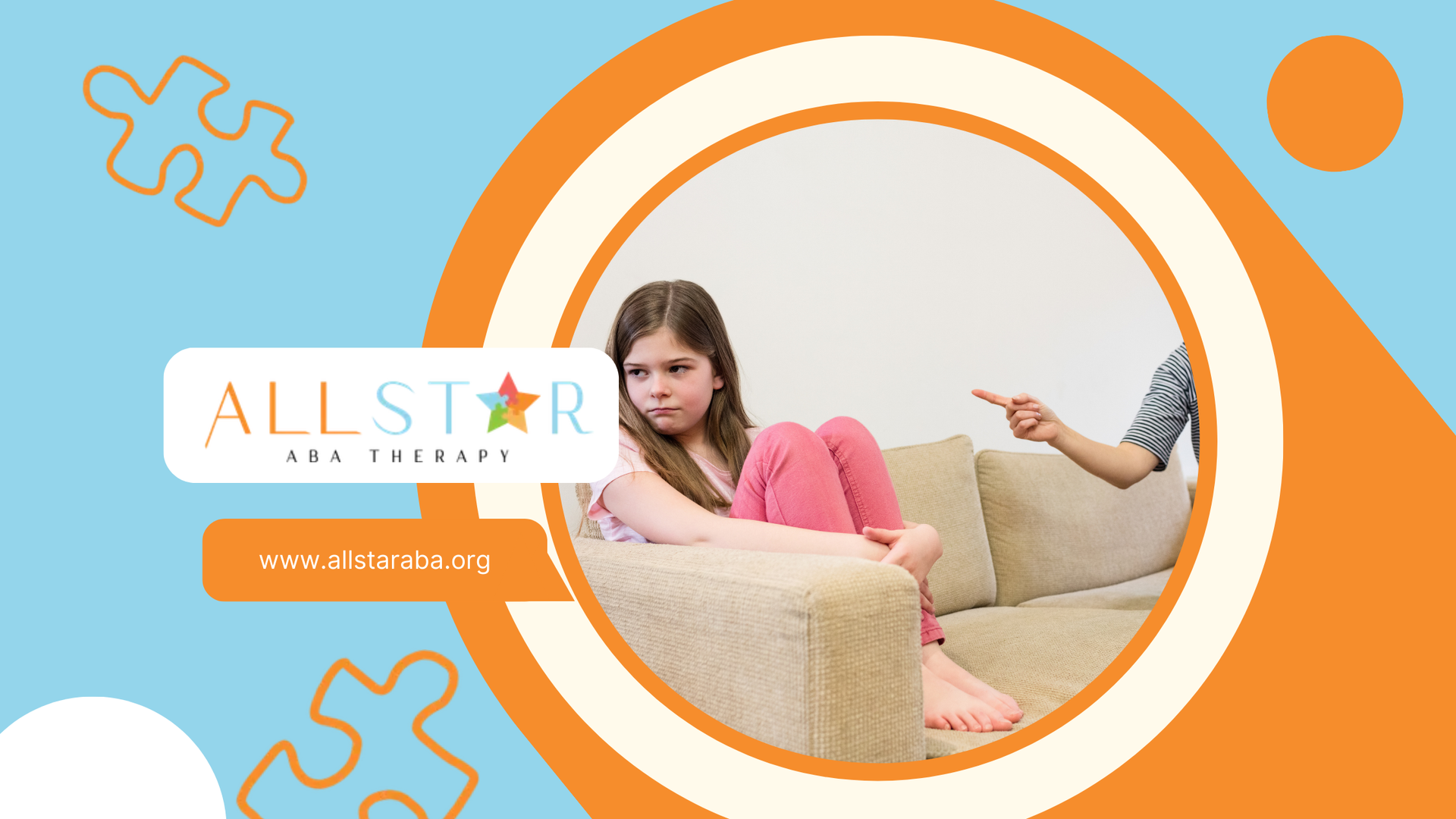
Tantrums and emotional outbursts
Big emotions are part of childhood. Tantrums often happen when children are tired, overwhelmed, or still learning how to communicate their needs.
In autism, challenging behaviors are usually linked to
ongoing communication or social difficulties, not occasional emotional reactions.
Limited eye contact
Eye contact norms vary widely across cultures and personalities. Some children avoid eye contact when they’re shy, focused, or processing information.
Limited eye contact alone is not a reliable indicator of autism.
Playing alone
Independent play can be a sign of creativity, focus, or introversion. Many children prefer solo play at certain ages or after busy social days.
In autism, concerns arise when a child consistently avoids interaction
and struggles with social engagement across settings.
Regression during stress or change
Temporary regression—such as sleep issues, clinginess, or behavior changes—can happen during big life events like starting school, moving, or family changes.
Short-term regression does not automatically signal autism.
Why professional evaluation matters
Autism is a complex neurodevelopmental condition. No single behavior confirms or rules it out. A comprehensive evaluation looks at communication, social interaction, play skills, and behavior patterns over time.
If you’re unsure, seeking guidance early can bring clarity—and peace of mind.
How we support families at All Star ABA
At
All Star ABA, we work with families to better understand their child’s development and behavior.
Whether a child is diagnosed with autism or simply needs extra support, our goal is always the same: help children build skills and confidence in ways that feel natural and supportive.
We proudly serve families throughout
Maryland and
Virginia and offer:
If you have concerns about your child’s development—or just want clarity—we’re here to help. Reach out to
All Star ABA to talk with a knowledgeable, supportive team.
FAQs