
New Paragraph
Improving Focus & Emotional Regulation with Mindfulness in ABA
At All Star ABA, we believe in combining the best of both worlds: ABA therapy and mindfulness. Mindfulness can be a game-changer for children with autism, especially when incorporated into their ABA sessions.
While ABA helps children learn new skills through structured reinforcement, mindfulness promotes emotional regulation, focus, and stress management—skills that complement ABA perfectly.
Why Mindfulness Works with ABA
Mindfulness is all about being in the moment, paying attention to one’s thoughts, feelings, and sensations.
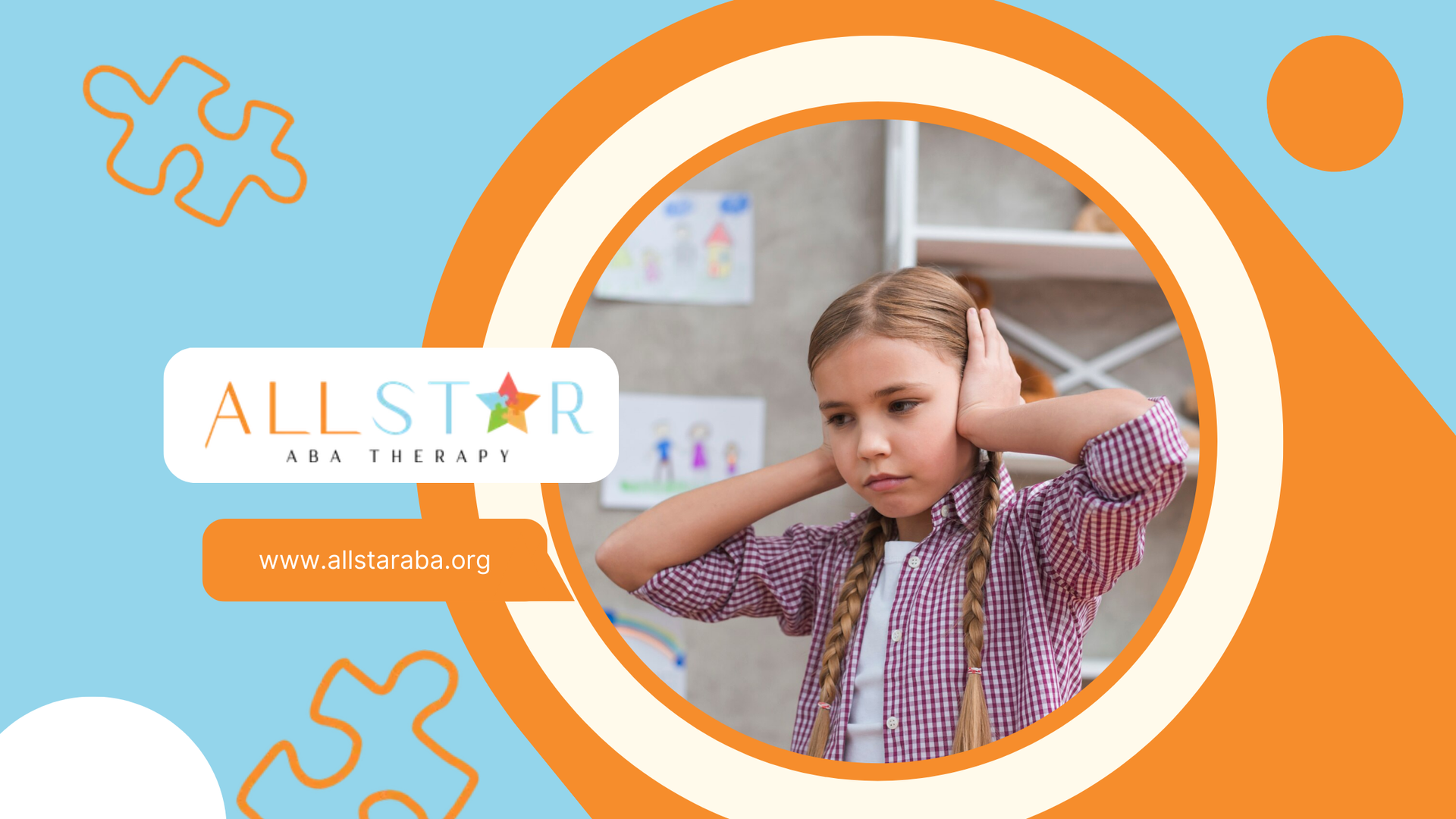
For children with autism, this means learning to stay calm during stressful situations and gaining control over overwhelming emotions. When we use mindfulness alongside ABA, children become better equipped to regulate their behaviors and build lasting coping skills.
For instance, simple breathing exercises or focusing on sensory experiences can help children pause and regain control before reacting to frustration or anxiety. These techniques, when combined with ABA, can significantly enhance the child’s ability to focus and participate in social interactions.
Practical Ways to Use Mindfulness in ABA
Breathing Exercises: We teach children simple deep-breathing techniques to calm down when they’re upset. It helps them reset and stay present during tasks.
Mindful Movement: Activities like yoga or stretching are great for building focus and helping children connect with their bodies.
Sensory Awareness: Using sensory expexperiences (like textures or sounds) helps children stay grounded and more aware of their surroundings.
Conclusion
Mindfulness techniques are a powerful addition to ABA therapy for children with autism.
At All Star ABA, we integrate these practices to help kids manage emotions, stay focused, and thrive. If you want to learn more about how mindfulness and ABA can work together for your child, contact All Star ABA today.
We’re here to support your child’s growth, whether through in-home ABA therapy, center-based ABA therapy, or school-based ABA therapy.
FAQs
How can mindfulness techniques benefit children with autism during ABA therapy?
Mindfulness helps children with autism manage emotions, reduce anxiety, and improve focus. By incorporating mindfulness into ABA therapy, children learn to stay present and calm, which makes it easier to focus on tasks and engage in social interactions.
What are some examples of mindfulness exercises used in ABA therapy?
Common mindfulness exercises include deep-breathing techniques, mindful movement (like simple stretches or yoga), and sensory awareness activities (such as focusing on textures or sounds). These exercises help children regulate their emotions and improve self-awareness.
Can mindfulness improve emotional regulation in children with autism?
Yes, mindfulness can significantly improve emotional regulation by teaching children how to pause, breathe, and recognize their emotions before reacting. This helps children with autism handle stress and frustration more effectively.
Sources:
- https://pmc.ncbi.nlm.nih.gov/articles/PMC12658592/
- https://pmc.ncbi.nlm.nih.gov/articles/PMC10465386/
- https://www.frontiersin.org/journals/psychology/articles/10.3389/fpsyg.2025.1526001/full
- https://www.autismparentingmagazine.com/meditation-for-autism/
- https://www.rutgers.edu/news/mindfulness-improves-decision-making-attention-children-autism
Need Support?
We're Here to Help!
Our experienced team is ready to assist you. Reach out today to discuss how we can support your child's development and well-being.
Get started with expert ABA therapy today.
Author: