

New Paragraph
Shaun Murphy’s Autism Representation in The Good Doctor: A Clinical and Evidence-Informed Review

Sara Welsh
(BCBA)
Sara Welsh is Board Certified Behavior Analyst (BCBA) licensed in Oregon and Maryland....
Popular culture often simplifies complex conditions. While Shaun Murphy has increased autism visibility, his portrayal can unintentionally reinforce myths about savant abilities and independence.
During parent training sessions in our Maryland center-based ABA therapy program, I’ve heard caregivers express frustration when their child’s development didn’t mirror television depictions.
We work collaboratively to reset expectations around individualized progress, evidence-based treatment, and functional growth.
Understanding Autism Through a Clinical Framework
According to the DSM-5-TR, Autism Spectrum Disorder involves two core domains:
1. Social Communication and Social Interaction Differences
This may include:
- Difficulty with reciprocal conversation
- Differences in nonverbal communication (eye contact, facial expression, gesture use)
- Challenges forming and maintaining relationships
- Literal or concrete language interpretation
2. Restricted, Repetitive Patterns of Behavior or Interests
This may include:
- Repetitive motor movements or speech patterns
- Strong preference for routines
- Highly focused or intense interests
- Sensory sensitivities (to sound, light, texture, smell, temperature)
Autism exists along a spectrum. Some individuals require significant daily support. Others live independently and thrive in complex professional environments.
Who Is Shaun Murphy?
Shaun Murphy is portrayed as:
- A surgical resident
- Autistic
- Having savant syndrome
- Possessing exceptional visual memory and spatial reasoning
Throughout the series, he navigates:
- Social misunderstandings
- Emotional regulation challenges
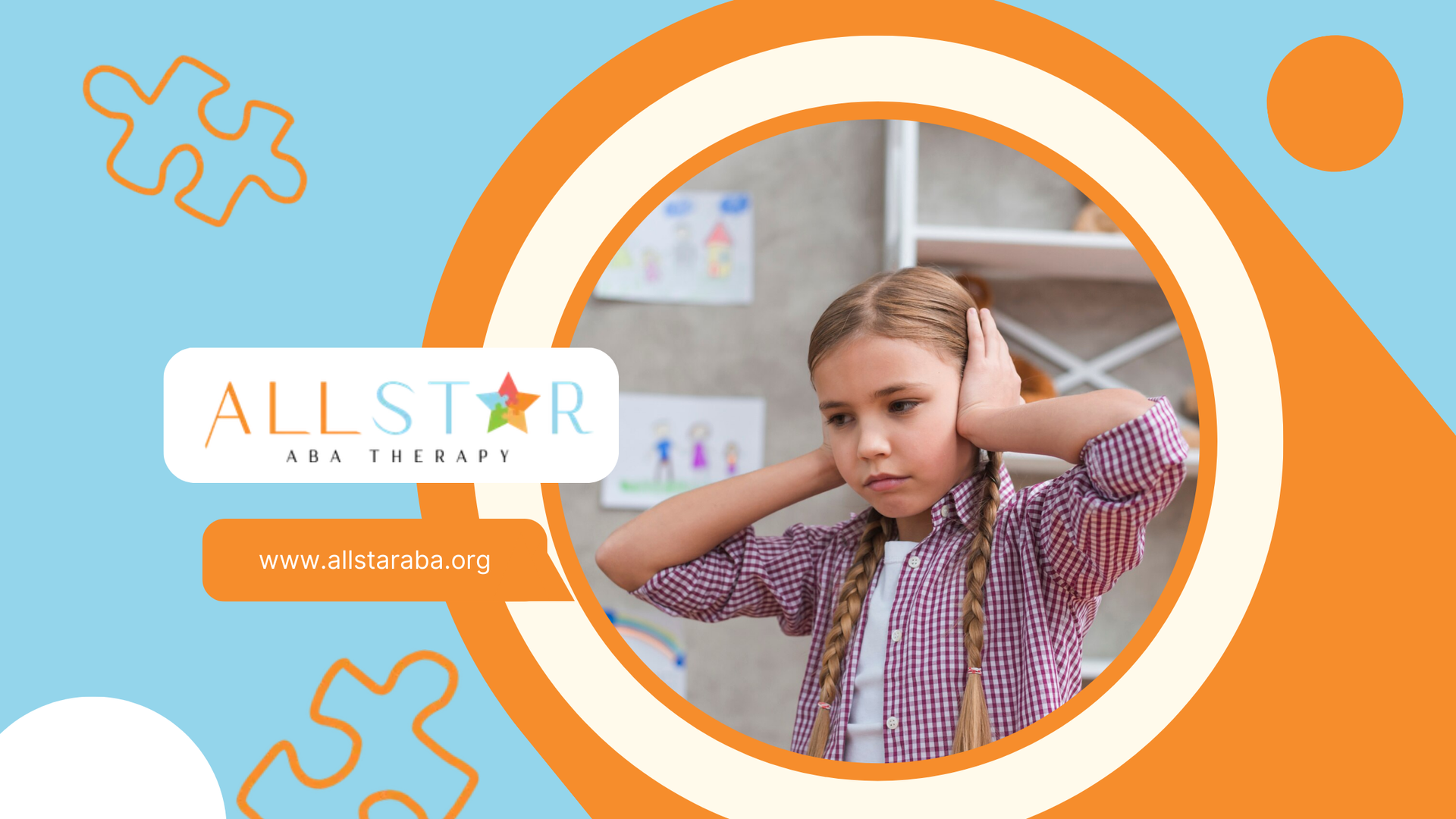
- Sensory overwhelm
- Skepticism from colleagues
The show positions Shaun as both highly capable and socially vulnerable — a duality that resonates with many viewers.
Where the Portrayal Aligns With Clinical Reality
Social Communication Differences
Shaun often struggles with:
- Interpreting sarcasm
- Reading subtle body language
- Navigating indirect communication
These differences reflect common pragmatic language challenges observed in autistic individuals.
Direct and Literal Communication
His blunt communication style mirrors how some autistic individuals prioritize accuracy over social convention. This can be misunderstood as insensitivity when it reflects neurological differences in social processing.
Sensory Sensitivity
Hospital environments are chaotic and high-stimulation. The show occasionally portrays Shaun becoming overwhelmed — which aligns with sensory processing differences frequently seen in autism.
Preference for Structure and Logic
Shaun excels in systems governed by rules and predictability. Many autistic individuals benefit from clearly defined expectations, consistent routines, and structured workflows.
These elements are consistent with current diagnostic understanding.
The Savant Question: Representation vs. Reality
One of the most debated aspects of Shaun’s portrayal is his savant syndrome.
While savant skills do occur more frequently in autistic individuals than in the general population, they remain relatively rare overall. Estimates vary, but only a small minority of autistic individuals demonstrate savant-level abilities.
By centering the narrative on extraordinary genius, television risks unintentionally reinforcing a stereotype:
That autistic individuals must possess exceptional abilities to be valued.
In clinical practice, we see:
- Children with emerging communication skills
- Adolescents working on emotional regulation
- Adults navigating workplace accommodations
- Individuals with varied cognitive profiles
Autism is defined by differences — not necessarily extraordinary brilliance.
Co-Occurring Conditions: An Important Clinical Reality
In real-world diagnostic settings, autism frequently co-occurs with:
- ADHD
- Anxiety disorders
- Depression
- Learning disabilities
- Sleep disorders
Television narratives rarely explore this complexity. However, comprehensive evaluation and treatment planning must consider the full clinical picture.
Support plans are individualized and often multidisciplinary.
Workplace Inclusion: A Valuable Contribution
Where The Good Doctor makes a meaningful impact is in its portrayal of professional inclusion.
The series challenges outdated assumptions that autistic individuals cannot perform in high-demand careers.
Research and workplace data increasingly support:
- Structured expectations improve performance
- Written communication reduces ambiguity
- Predictable workflows enhance executive functioning
- Reasonable accommodations increase productivity
When environments adapt thoughtfully, autistic individuals often demonstrate strong attention to detail, pattern recognition, persistence, and analytical thinking.
This portrayal helps normalize neurodiversity in professional spaces.
Where Media Simplifies Reality
Television requires narrative resolution. Conflicts are often resolved quickly.
In reality:
- Social misunderstandings may require long-term skill development
- Emotional regulation strategies require structured teaching
- Workplace accommodations may involve legal and HR processes
- Sensory regulation is ongoing, not episodic
Autism is not resolved through exposure alone. It requires support, education, and individualized strategies.
A Clinical Reminder for Parents
It is important not to compare your child directly to a television character.
Autism may present as:
- Speech delays
- Difficulty with peer relationships
- Sensory sensitivities
- Intense, focused interests
- Emotional regulation challenges
- Rigidity around routines
If you notice developmental differences, early evaluation is critical.
Evidence-based interventions such as Applied Behavior Analysis (ABA) therapy can:
- Improve communication skills
- Strengthen social interaction
- Support emotional regulation
- Reduce challenging behaviors
- Increase independence
The earlier services begin, the greater the long-term benefit.
While television may spark awareness, real progress begins with professional evaluation and structured intervention.
All Star ABA serves families across Maryland and Virginia with personalized ABA therapy designed to promote independence, communication, and emotional regulation.
In addition to center-based ABA programs, we also offer:
- Comprehensive Autism Evaluations
- In-Home ABA Therapy Services
- School Collaboration & School-Based ABA
- Parent Training & Coaching
- Early Intervention for Young Children
Our approach is collaborative, evidence-based, and focused on measurable outcomes.
If you’re exploring autism services, we invite you to contact our team today.
Frequently Asked Questions
Is Shaun Murphy autistic in real life?
The character is written as autistic. The actor portraying him is not autistic.
Is savant syndrome common in autism?
No. Savant abilities are relatively rare and not representative of most autistic individuals.
Can media help with autism awareness?
Yes — when paired with accurate education and professional guidance.
Does Freddie Highmore have autism in real life?
No, Freddie Highmore, who portrays Shaun Murphy, is not on the autism spectrum. There has been ongoing debate about the importance of casting autistic actors in such roles.
Is savant syndrome common in individuals with autism?
Savant syndrome is rare among individuals with autism. While it is often portrayed in media, only about 10% of individuals with ASD exhibit savant abilities.
Why is autism representation important in TV and film?
Accurate representation of autism helps break down stereotypes, promote understanding, and foster empathy for individuals with ASD. It can also empower those on the spectrum by providing relatable characters and storylines.
Need Support?
We're Here to Help!
Our experienced team is ready to assist you. Reach out today to discuss how we can support your child's development and well-being.
Get started with expert ABA therapy today.