Understanding ABA Therapy Services
Transition: Before diving into the specifics of our therapy services, let's take a moment to understand what
Applied Behavior Analysis (ABA) is and its role in the treatment of ASD.
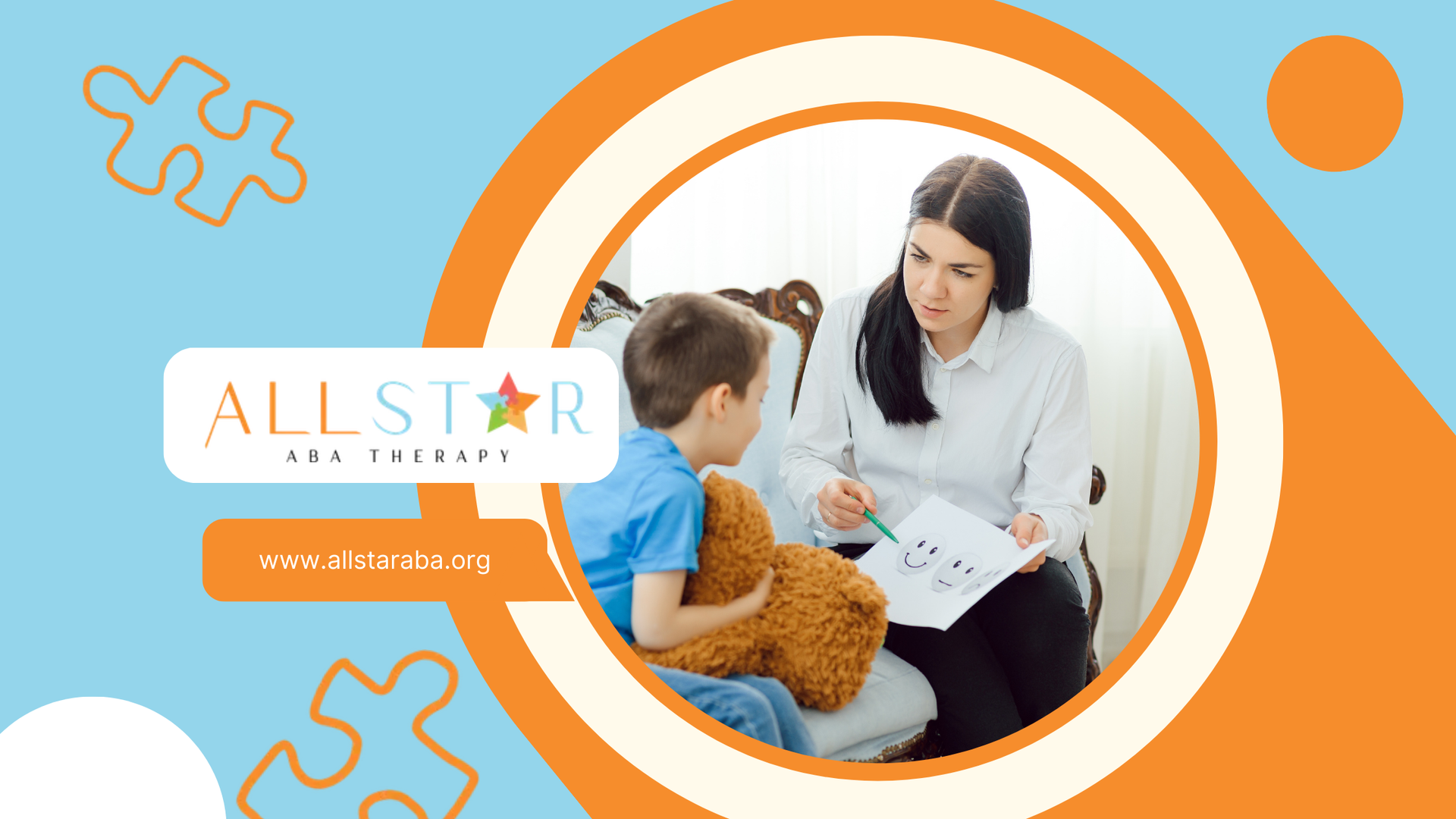
ABA therapy is a type of early childhood intervention that has been shown to be effective in treating autism. It involves a structured approach to teaching children with autism how to learn and communicate effectively. Early childhood is the most important time for children with autism to receive ABA therapy as it can help them develop vital communication and social skills which will benefit them throughout their lives. In Baltimore, there are many ABA therapy centers available that provide early childhood intervention services for children with autism.
Defining Applied Behavior Analysis (ABA)
Applied Behavior Analysis (ABA) is a scientific approach that applies interventions to improve behaviors. It focuses on understanding how behavior works in real situations, with the goal of increasing language and communication skills, as well as developing adaptive learning skills. ABA therapy intervention can address various behaviors, including social interaction, hyperactivity, repetitive behaviors, and nonverbal communication skills.
For individuals with Autism Spectrum Disorder (ASD), ABA therapy plays a crucial role in their treatment journey. ASD is a neurodevelopmental disorder characterized by social communication and interaction difficulties, repetitive patterns of behavior, and restricted interests. ABA therapy intervention is particularly effective in promoting positive behaviors, reducing repetitive movements, and fostering the development of new skills. It emphasizes creating a supportive environment that supports social interaction and communication for young children with ASD, as well as providing guidance and support to caregivers and family members. Additionally, ABA therapy can also be beneficial for individuals with other developmental disabilities, such as Down syndrome or cerebral palsy, as it focuses on individualized interventions and supports for each person's unique needs.
Role of ABA in ASD Treatment
ABA therapy is recognized as one of the most effective evidence-based interventions for children with ASD. Early intervention through ABA therapy has been shown to significantly improve outcomes for children with ASD, leading to improvements in communication skills, social interaction, and overall adaptive behavior.
The therapy focuses on promoting positive behaviors and social interaction skills while reducing repetitive behaviors. It utilizes systematic and structured techniques tailored to each individual's unique needs, ensuring personalized care. ABA therapy intervention also emphasizes early intervention, as early diagnosis and intervention are crucial for optimal outcomes.
By implementing ABA therapy, children with ASD can develop valuable social communication skills, increase eye contact, improve language development, and enhance their ability to understand and interpret facial expressions and body language. These skills play a vital role in facilitating meaningful social relationships and interactions, as well as fostering independence and academic achievement for autistic children. The Autism Society of America offers many resources and support for individuals with ASD and their loved ones, emphasizing the importance of collaboration between parents, teachers, therapists, and medical professionals in the treatment of ASD and any additional medical conditions.
Overall, ABA therapy intervention has proven to be of tremendous benefit in improving the quality of life for individuals with ASD, empowering them to reach their full potential and thrive in their daily lives.
ABA therapy in Baltimore can be beneficial for individuals with mental health conditions, such as ADHD, anxiety, depression, OCD, schizophrenia, and bipolar disorder. This type of therapy focuses on improving communication skills, socialization, and overall behavior. It can also address issues related to feeding, sleep, and gastrointestinal problems. ABA therapy is often recommended for individuals with neurodevelopmental conditions or learning disabilities as well. With the help of a child psychiatrist and medication if necessary, ABA therapy can provide a comprehensive approach to mental health treatment.