
New Paragraph

Why Kids with Autism Get Upset Easily and How to Help

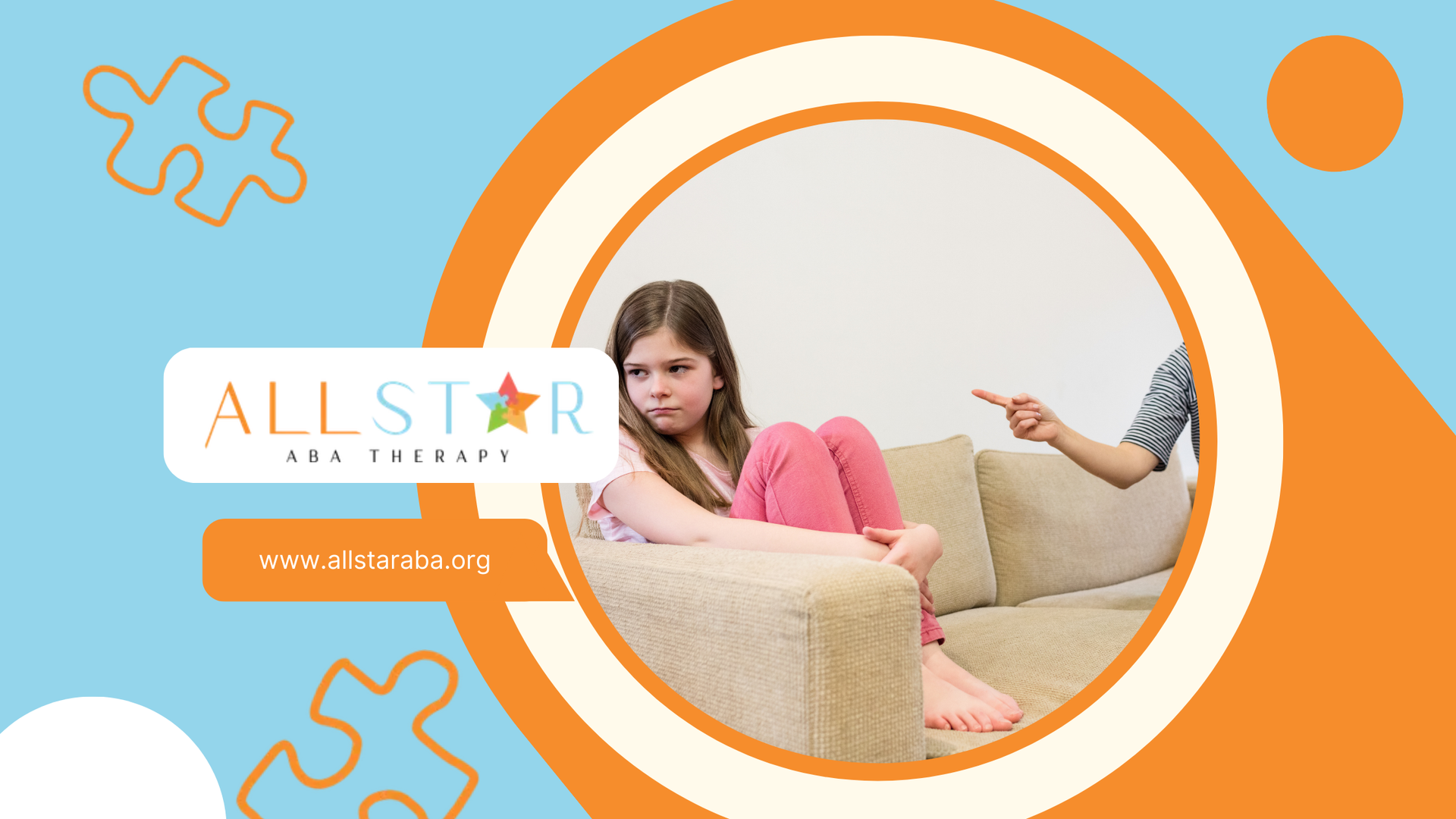
Children with autism often experience the world in a way that's different from others, and this can lead to emotional responses that might seem intense or unpredictable. 


Yes, kids with autism can get upset more easily than other children, but it's important to understand the why behind these emotional reactions.


Emotional Outbursts in Children with Autism

Children with autism have heightened sensitivities to sensory input, such as loud noises, bright lights, or strong smells, which can overwhelm them and cause distress. 


Additionally, many kids with autism struggle with changes in routine or unexpected events. This can make it harder for them to cope with disruptions, leading to frustration and emotional outbursts. 


Communication challenges in autism also play a role—if a child has trouble expressing their needs or emotions, they may get upset when they can't make themselves understood.


Supporting Kids with Autism to Stay Calm

It's essential to approach situations with patience and understanding. Predictable routines, clear communication, and a calm environment can help reduce triggers for emotional distress.


Every child with autism is unique, so figuring out what works for each individual is key to minimizing upset.


If you’re looking for support in helping your child manage their emotions, All Star ABA offers specialized autism services in Maryland. Our team is dedicated to providing personalized strategies to help children thrive in a supportive and understanding environment.


Reach out today to learn more about how we can assist your child on their journey.


Need Support?

We're Here to Help!

Our experienced team is ready to assist you. Reach out today to discuss how we can support your child's development and well-being.

Get started with expert ABA therapy today.

BCBA and child playing a wooden block stacking game at a table during ABA therapy.
February 9, 2026
Learn how ABA therapy encourages problem-solving and critical thinking through structured learning, reinforcement, and real-world skill generalization.
Young boy with autism lying on a couch and reading a book in a bright room.
February 9, 2026
ABA therapy supports life skills development by teaching daily routines, coping strategies, and independence using evidence-based behavioral interventions.
Child sitting at a table looking tired during ABA therapy.
February 9, 2026
Learn what overstimulation feels like in autism, common triggers, signs of sensory overload, and how ABA therapy services can help children cope and thrive.
BCBA and young child building a tower with colorful wooden blocks in ABA therapy.
February 5, 2026
Stopping ABA therapy too early can lead to skill regression and lost progress. Learn the risks, warning signs, and how to fade ABA therapy the right way.
BCBA helping a young child stack wooden blocks indoors during ABA therapy.
February 4, 2026
Echolalia in autistic children can be meaningful. Discover why repetition happens and how it can lead to functional communication with the right support.
BCBA and toddler stacking bright toy blocks on the floor in ABA therapy.
February 4, 2026
Tracking ABA therapy progress doesn’t have to be confusing. Learn how goals, data, and everyday changes help measure growth & guide your child’s treatment plan.
Show More

Related posts