

New Paragraph
Practical ABA Approaches to Classroom Behavioral Challenges in Autism

Sara Welsh
(BCBA)
Sara Welsh is Board Certified Behavior Analyst (BCBA) licensed in Oregon and Maryland....
Working with children on the autism spectrum, especially in a classroom setting, brings both challenges and rewards.
At All Star ABA, we see firsthand how each child’s unique needs shape their behavior in the classroom. Some students have trouble expressing themselves, while others struggle with changes in routine or social interactions.
What we’ve learned over the years is that understanding the root of a behavior is essential for finding effective ways to address it.
In this post, I want to share some real-world insights into the classroom behavioral challenges kids with autism face, and the strategies that have worked for us to create a more supportive learning environment.
The Challenges Behind Classroom Behavior
One thing I’ve learned is that when a child with autism exhibits challenging behavior in the classroom, it's often a signal that something deeper is going on. It’s not just about the behavior itself, but about what’s driving it.
Take sensory sensitivities, for instance. We've worked with students who become overwhelmed by the hum of fluorescent lights or the chatter of their classmates. It’s not a matter of misbehavior—it’s their sensory system struggling to process what’s happening around them.
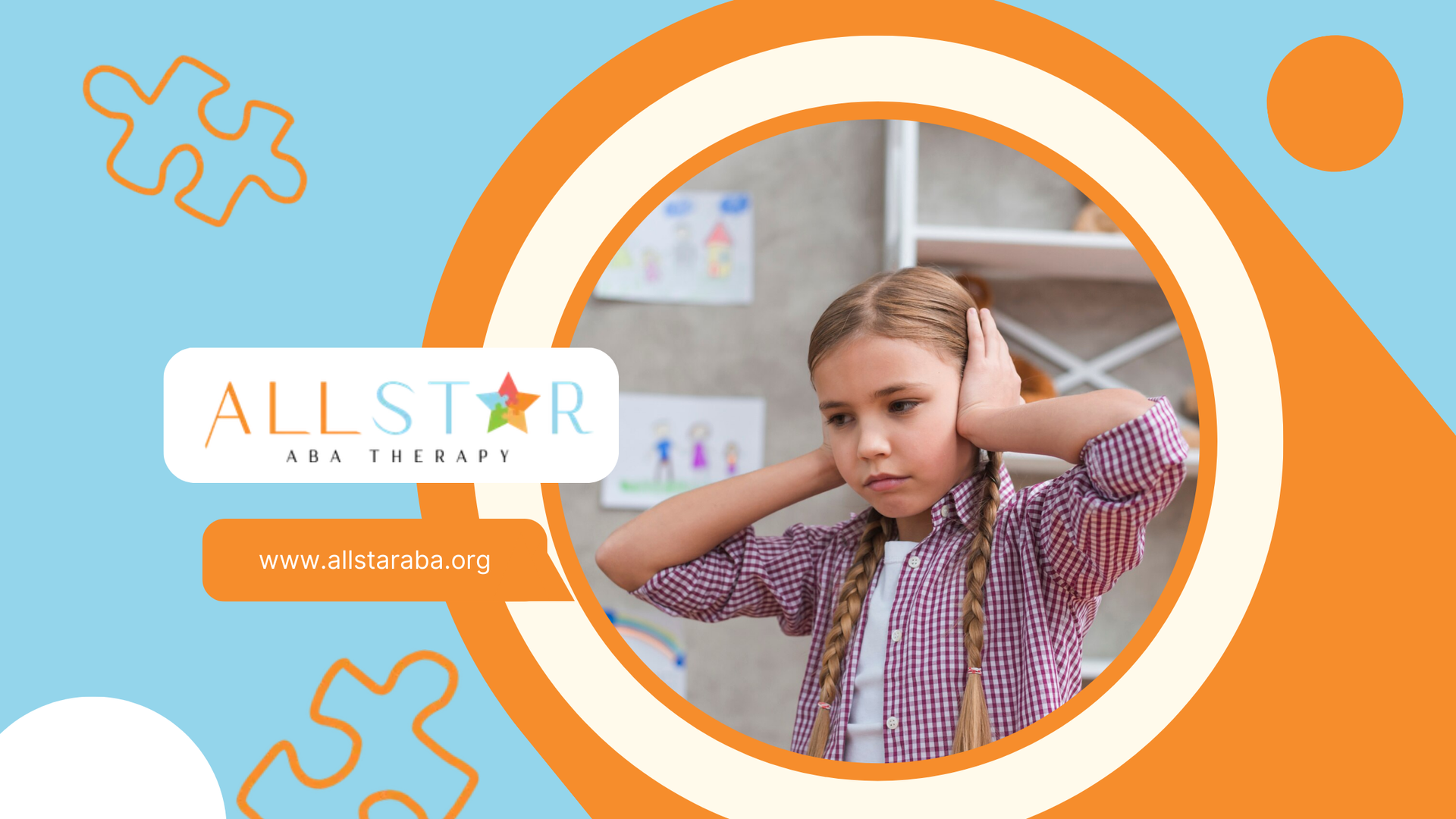
One of the kids I worked with would often cover his ears and try to hide under his desk during group activities. At first, it seemed like an attention-seeking behavior, but after further observation, we realized that the classroom noise was too much for him to handle.
Once we understood that, we could implement solutions—like noise-canceling headphones and providing a sensory break when he showed signs of distress. With those changes, he was able to stay engaged longer without needing to retreat.
Communication Challenges and Behavior
For many kids with autism, communication is another barrier. When a child can't communicate effectively, they may resort to behaviors like yelling, pushing, or withdrawing to get their needs met.
I remember working with a young boy who would often throw his work materials when he needed help but couldn’t express his frustration. We worked on building his communication skills—starting with a simple communication device to help him ask for assistance.
Using ABA techniques, we broke the process down into small, manageable steps. At first, we reinforced any attempt he made to communicate, even if it wasn’t perfect. Over time, he started using the device more frequently, and his outbursts reduced significantly.
It's not just about teaching a child how to behave; it’s about giving them the tools they need to express themselves in ways that are effective and appropriate.
Common Behavioral Challenges in the Classroom
Sensory Sensitivities
One of the most common issues we see is sensory overload. The classroom environment can be overwhelming for children with autism, whether it’s the noise level, the visual clutter, or even the texture of the furniture.
I’ve worked with a student who would become visibly distressed when the classroom lights were turned on. We worked with his teacher to dim the lights and provide a quiet corner for him to retreat to when he needed a break. Small changes like these can make a huge difference in reducing the intensity of sensory overload.
Transitions
Another challenge many kids with autism face is difficulty transitioning from one activity to the next. I can think of a time when we worked with a child who became very agitated when transitioning from a free play activity to structured work time.
His response would often be to push his desk or yell at the teacher. We used a visual schedule to prepare him for upcoming transitions, giving him a 5-minute warning before each change. This strategy helped him adjust more easily and reduced the frequency of outbursts.
Social Interactions
Social skills can be tricky for children with autism. I’ve seen students who want to interact with their peers but don’t know how. For example, one child would stand in the middle of the playground, watching other children play but not joining in.
Rather than assuming he didn’t want to participate, we took a different approach: we used role-playing to teach him how to join a conversation or ask someone to play.
We even practiced these social scenarios in a safe, controlled environment before letting him try it with his peers. Over time, he became more comfortable initiating play, and his social skills improved significantly.
How ABA Strategies Help Address These Challenges
ABA is an effective tool for addressing the challenges we see in the classroom because it’s built on understanding the function of behavior and applying targeted interventions.
There’s no one-size-fits-all solution, but we’ve had great success with a few key techniques that we use every day in our work.
Functional Behavior Assessment (FBA)
Before implementing any intervention, we always start with a Functional Behavior Assessment (FBA). This helps us determine why a child is exhibiting a certain behavior.
Is it an escape response to a difficult task? Is it attention-seeking? Or is the behavior driven by sensory needs? Understanding the purpose behind the behavior allows us to create a more tailored plan.
For example, we once worked with a student who would throw objects when asked to complete a challenging task. After conducting an FBA, we found that he was avoiding the task, so we adjusted the workload and used positive reinforcement to reward him for completing tasks on his own.
Positive Reinforcement
Positive reinforcement is a core element of ABA. We’ve found that reinforcing the behaviors we want to see more of is the most effective way to build new habits. For example, we use token systems or praise to reward children for following directions or using appropriate communication methods.
If a child asks for a break using their communication device, we immediately reinforce that behavior with praise or a short break. This encourages them to keep using the skill.
Visual Supports
We’ve learned that visual supports are incredibly helpful for children with autism, especially when it comes to transitions or task completion. Visual schedules, for example, help kids know what to expect throughout the day.
We’ve used them in many of the classrooms we work in, giving kids a clear roadmap of their day. One child I worked with struggled with anxiety during transitions. Using a visual schedule gave him something tangible to hold onto, which helped reduce his stress. Knowing what was coming next helped him feel more in control.
Collaboration with Educators and Families
At All Star ABA, we always stress the importance of collaboration. Teachers, parents, and ABA clinicians all need to work together to create a consistent environment for the child.
One success story I remember is a collaboration we had with a teacher who was working with a student who had frequent meltdowns. We used strategies like visual schedules and sensory breaks to support the child, but we also ensured that the teacher and the family were on board with these interventions.
By working as a team, we were able to create a stable environment for the child both at home and in the classroom, which helped reduce meltdowns and increased his engagement with the learning process.
Conclusion: Supporting Children with Autism in the Classroom
Classroom behavioral challenges are common among children with autism, but with the right strategies, they can be addressed effectively.
At All Star ABA, we understand that behavior is often a form of communication, and by using evidence-based ABA techniques, we can help children express themselves in ways that are more appropriate and functional. Whether it's sensory accommodations, communication training, or social skills development, there’s a solution to every challenge.
If you’re working with a child with autism and facing classroom behavioral challenges, we’re here to help. At All Star ABA, we offer a range of services in Maryland and Virginia designed to support children in their unique learning environments.
We provide in-home ABA therapy to create a comfortable, familiar setting for children, center-based ABA therapy for structured, individualized support in a dedicated space, and school-based ABA therapy to collaborate with educators and help students thrive in their classrooms.
We also offer ABA parent training to equip parents with the tools and strategies they need to support their child's development at home.
We’re passionate about providing personalized care and building partnerships with families to create an environment where children can succeed. To learn more about how we can support your child in Maryland or Virginia, visit our Maryland ABA Therapy page or Virginia ABA Therapy page.
At All Star ABA, we are committed to helping children with autism and their families navigate behavioral challenges. Together, we can create a positive and supportive learning environment where every child has the opportunity to thrive.
FAQs
How do I know if ABA therapy is right for my child?
ABA therapy is highly individualized and can be beneficial for children with autism, especially those who need help with behavior management, communication skills, and socialization. If you're unsure, we recommend a consultation with one of our ABA specialists who can assess your child’s needs and determine if ABA is the right fit.
Can I receive training to support my child’s development at home?
Yes! At All Star ABA, we offer ABA parent training, which equips parents with the tools and strategies they need to reinforce skills and support their child’s development at home. This training ensures that behavioral techniques are consistent across environments, providing a cohesive approach to your child’s therapy.
How long will my child need ABA therapy?
The duration of ABA therapy varies based on each child’s individual needs and goals. Some children may benefit from a few months of therapy, while others might require longer-term support. We regularly assess progress and adjust the therapy plan to ensure it continues to meet your child’s evolving needs. Our goal is always to help children reach their fullest potential as efficiently as possible.
Sources:
- https://www.autismspeaks.org/tool-kit-excerpt/autism-classroom-strategies
- https://autism.org/challenging-behaviors-and-autism/
- https://www.graduateprogram.org/blog/the-challenges-students-with-autism-face/
- https://www.sciencedirect.com/science/article/pii/S1750946724000606
- https://www.elon.edu/u/academics/first-year-writing/writing-contest/journal/caroline-mitchell/
Need Support?
We're Here to Help!
Our experienced team is ready to assist you. Reach out today to discuss how we can support your child's development and well-being.
Get started with expert ABA therapy today.